Everyone might have experienced this at least once: a tray of warm baklava arrives, changing the entire mood of the table. The chatter drops instantly. Forks hover over. Then finally someone breaks the silence with “okay, this is amazing”, and the whole table nods in agreement. That reaction right there is priceless for community-based restaurants.
The trend has also gained popularity in Perth cafes and restaurants over the last couple of years. Earlier, it was limited to Middle Eastern households and specialty desserts. Still, it has now gained mainstream popularity as people go wild for knafeh and pistachio-infused chocolate on social media.
We at Little Lebanon have seen desserts that weren’t common and that many people knew nothing about gain traction, and we feel proud of it. These are the kinds of desserts our chefs used to put so much effort into for years, long before they became trendy. What’s beautiful to see is how more and more people now understand their authentic taste; that is also why most of our customers keep coming back to Little Lebanon to celebrate authenticity. This blog will discuss the origin, popularity, and the best choices of these desserts.
Where It All Began: Where These Desserts Come From
Most people don’t know how the Middle East invented these crazy desserts. It’s history, how it was shaped by trade routes and empires, and how they were made long before they gained their well-deserved popularity.
Baklava is a good example. Many culinary scholars still dispute the origin of this delicious dish. Still, the layering of sweets goes back to ancient Assyria, where the process was refined in the imperial kitchens of the Ottomans, who experimented with layers of very thin dough and syrup. Later, the dish travelled to different countries, and people added pistachio nuts in Lebanon and walnuts elsewhere.
Knafeh has a similar story of gradual invention; originating in the city of Nablus, this dessert results from combining semolina, cheese, and sugar syrup. Similarly, desserts such as maamoul, small stuffed pastries usually made with dates or nuts, were invented for festive occasions.
It is not just sugar and pastry that is common among all desserts. Instead, they suggest sharing and enjoying the dessert. The most amazing thing is that this idea has remained almost intact, even as the recipes travelled around the world.
From Family Kitchens to Worldwide Trend
It all started with a chocolate brand owner who wanted to “create something that felt personal but relatable.” There were three people who made people more aware of the popular Middle Eastern dessert: Sarah Hamouda, the person who invented it, the chef and the TikToker. Towards the end of 2023, a small chocolatier based in Dubai created a chocolate bar filled with pistachio and knafeh that somehow found its way to the internet. Within months, a single video featuring the chocolate bar had accumulated more than 100 million views. Suddenly, people were clamouring to try this new dessert.
As part of this viral chocolate trend, people started exploring more options for Middle Eastern desserts. People started making their own chocolate bars using ingredients like pistachio cream, tahini, and kataifi pastry, which in turn led cafes worldwide to make their own chocolate bars. In addition, people became interested in traditional sweets like baklava and knafeh.
There is a political and cultural angle here too, even if it never gets talked about. Western media has neglected and misrepresented Middle Eastern food and cuisine in the past. This trend in viral desserts quietly shifted the tide in favour of dishes from the region that became popular solely for their taste, without any political undertones. For people who grew up in Middle Eastern countries and tasted these desserts themselves, seeing them gain worldwide popularity was a great moment.
Social media gets all the credit for accelerating this process. Videos showing syrup flowing over the heated pastry, or the chocolate shell cracking to reveal green pistachio underneath, are quite entertaining to watch.
Impact of the Trend on the Global Nut Industry
The popularity of pistachio-based desserts has not only affected dessert manufacturers’ menus but has also impacted the global nut market. Due to the increased popularity of pistachio cream and pistachio chocolate, the price of pistachio has risen sharply from $7.65 per pound to $10.30 per pound, which is a thirty per cent increase within one year.
This price growth has added pressure on producers already facing a less-than-expected harvest due to lower pistachio yields in the United States, which is known for producing the nuts. Small bakers and dessert manufacturers that rely on pistachio paste as an ingredient have been paying significantly more for the product.
However, pistachio manufacturers and suppliers have benefited from this unexpected market growth.
Middle Eastern Pastries You Should Try At Least Once
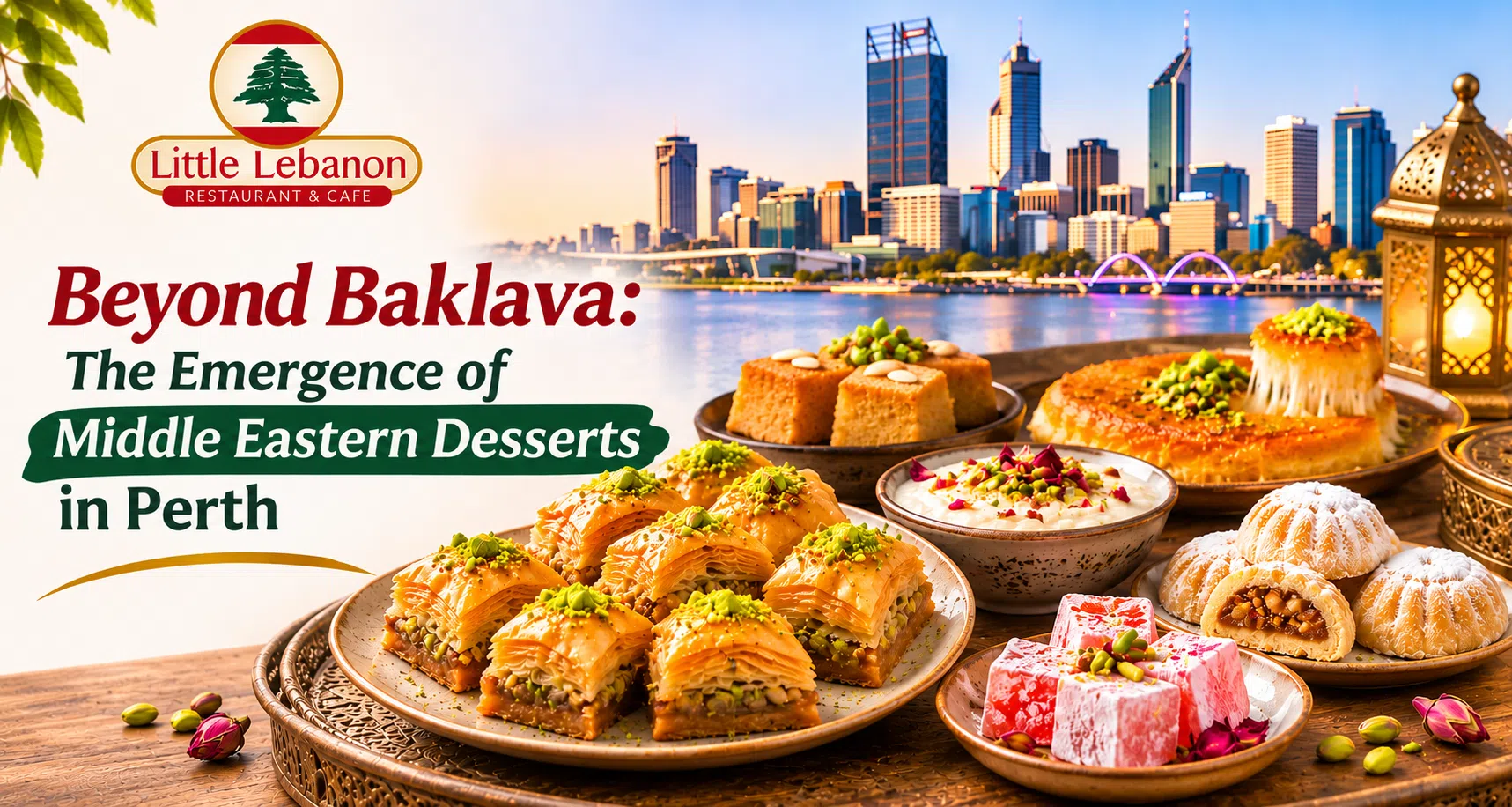
Baklava: Thin layers of dough, pistachios or walnuts ground up and syrup, then baked to perfection. A traditional Lebanese pastry that is easily the most identifiable on this list.
Knafeh: A stretchy cheese layer covered with golden semolina or dough, drizzled with syrup, and topped with pistachios. Best served hot, straight from the tray.
Maamoul: Mini shortbread-style cookies filled with dates, pistachios or walnuts, often moulded with the help of wooden forms and consumed on festive occasions.
Halawet El Jibn: An exquisite cheese pastry with a creamy filling, a touch of light syrup, and crushed pistachios on top.
Turkish Delight: A delightful dessert; here you can expect chewy pieces with flavours of rosewater or lemon and coated with powdered sugar.
Dubai Style Pistachio Chocolate: The newest viral sensation, combining milk chocolate, pistachio filling and crispy kataifi dough.
DIY Desserts at Home: Easy Recipes
Baklava Bites: Sandwich layers of filo dough with butter between each layer, and add crushed nuts (pistachios or walnuts) mixed with cinnamon on alternate layers. Cut into small diamond shapes and bake in a preheated oven until golden. While still hot, drizzle with a sugar syrup mixture flavoured with a dash of lemon juice.
Knafeh Cupcakes: It is the most authentic yet easy recipe.
- Deep-fry strips of kataifi pastry in butter until golden brown
- Then use half to line cups to form the base
- Add soft, mild cheese or ricotta in the middle
- Top with the remaining pastry, then bake until crispy and golden
- Finally, drizzle it with sugar syrup and sprinkle crushed pistachios on top
Which Beverage to Have Along With the Dessert?
Lebanese coffee pairs well with the dessert because its spicy flavour complements the sweet taste of syrup-filled pastries. Mint and herbal tea can be served as a lighter, fresher alternative, especially with desserts like Knafeh and Basbousa. One may also serve a cup of Lebanese lemonade, which provides a tart flavour to neutralise the nutty flavours of heavy desserts.
Delight That is Worth Savouring
Traditional Middle Eastern desserts have gone viral, but their importance stretches far beyond their online fame. Behind each layer of baklava and knafeh, there is a lot of history, a lot of traditional cooking techniques and cultural pride that may easily get overlooked amidst all the buzz around the desserts that became an internet trend.
At Little Lebanon, we are happy to prepare these desserts the same way that they used to be made long before pistachio chocolate went viral and long after the fad has finally passed. If you want to taste the traditional dessert, come to us and enjoy freshly baked baklava and knafeh.
Quick Answers about Middle Eastern Desserts
It all started in 2023 with a viral pistachio-and-kunafa-filled chocolate bar. People tried it, and from then on it sparked interest in pistachio desserts worldwide.
Baklava exists in both Turkey and Lebanon; however, Lebanese baklava uses pistachios and tastes slightly different because it uses a lighter syrup.
It consists of a mild and slightly salty cheese filling with sweet syrup and crispy dough layers.
Yes, but not too much since they include ingredients such as nuts and various herbs besides sugar.
Global demand for pistachios rose due to a viral dessert trend. A smaller harvest also drove prices even higher.
It is best to pair Lebanese coffee or mint tea with it because of their bitter taste.
Lebanese restaurants that make their own desserts the traditional way, like Little Lebanon, are a good choice because the desserts will not just be a trendy fad.